Energy Efficiency & Quality Assurance Department

Engineered findings from a NAIMA 3E Plus walk-down assessment. 15 items inventoried across 5 systems · estimated $3,556/yr in recoverable operating cost.
Overview of identified insulation upgrade opportunities and projected annual savings. This is a Preliminary Report. Please see the 'Line Item Detail' Page for detailed information about each item assessed along with Infrared Imaging. Your EEQA representative will now solicit bids from our Qualified Contractors. Please allow 4-6 weeks for the bidding to complete. Your EEQA representative will then submit to you a Final Report upon it's completion. All completed upgrades will have a Quality Control visit to ensure the Mechanical Insulation was installed in accordance with specifications.
Upgrading the insulation on the 15 identified items would result in estimated annual energy cost savings of $3,556/yr, a reduction in heat flow of 426,118 kBtu/yr, a reduction in CO₂ emissions of 28.15 MT/yr, and a reduction in NOₓ emissions of 124.5 lbs/yr. All calculations were performed using the NAIMA 3E Plus (version 5.1) computer program.
Energy cost savings by system area, ranked by annual impact.
Emissions reductions achieved through insulation upgrades.
Summary of each system/equipment group.
| System | Items | Current $/yr | Upgraded $/yr | Savings $/yr | Heat kBtu/yr | CO₂ MT/yr | NOₓ lbs/yr |
|---|
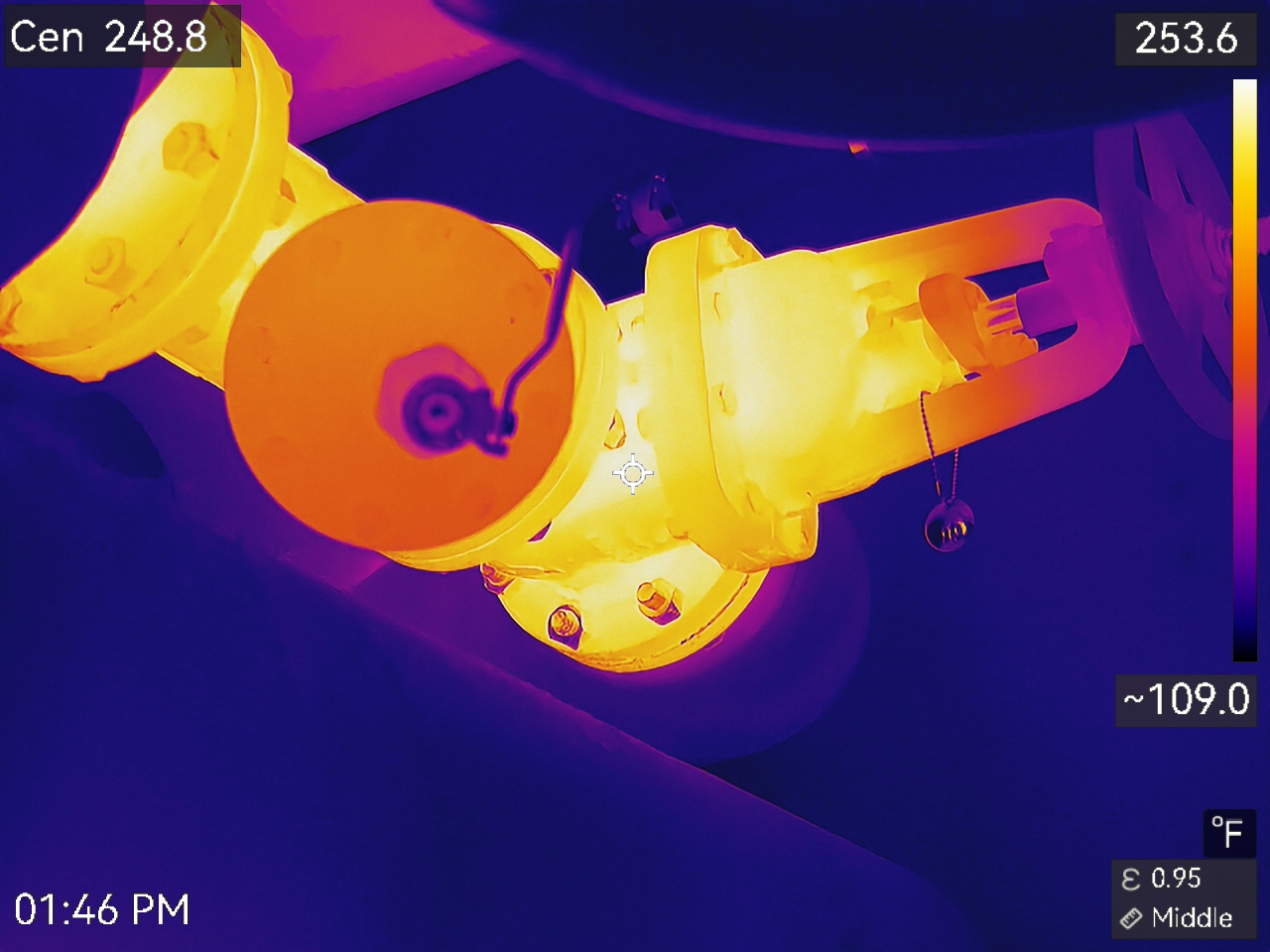
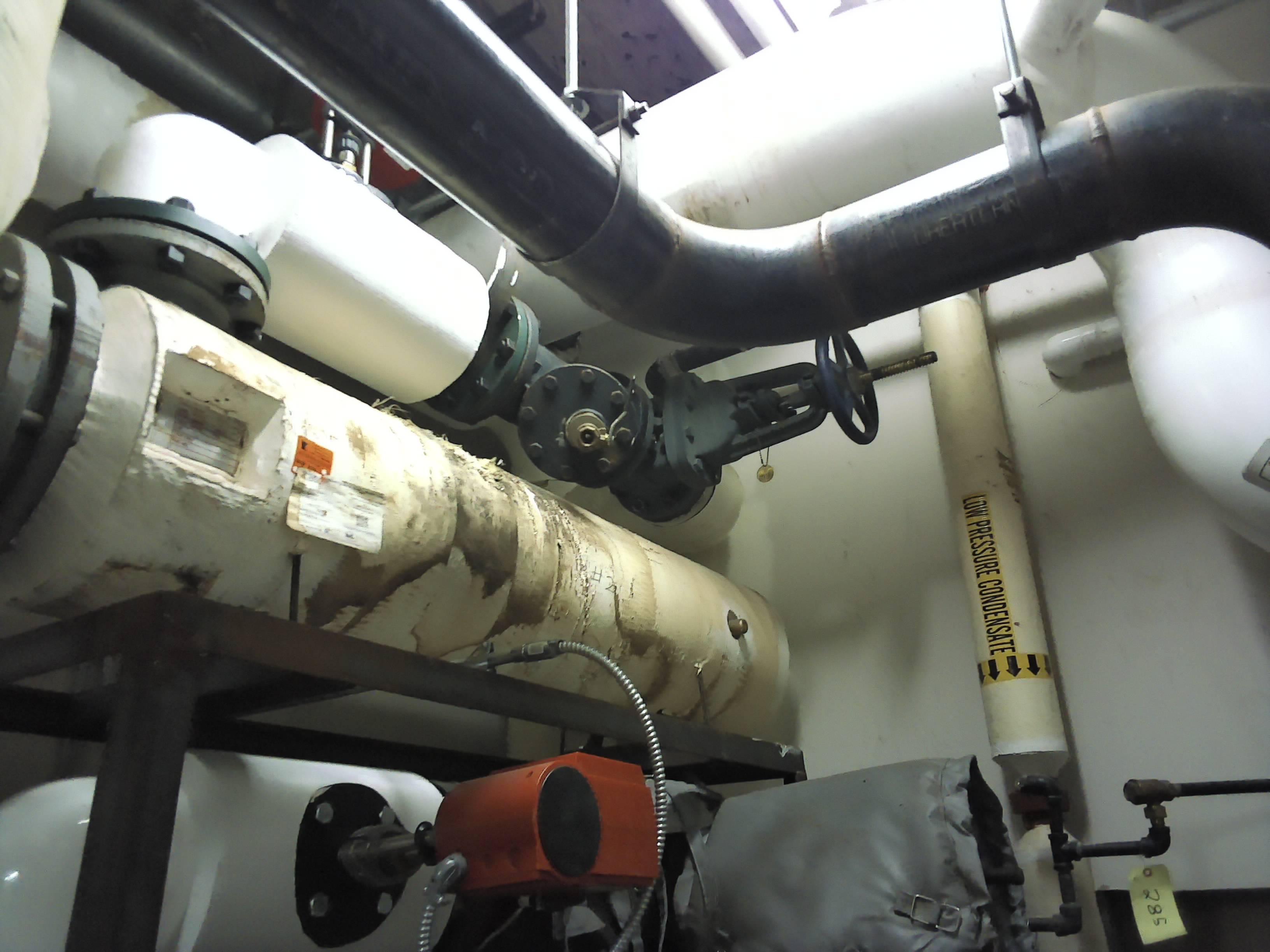
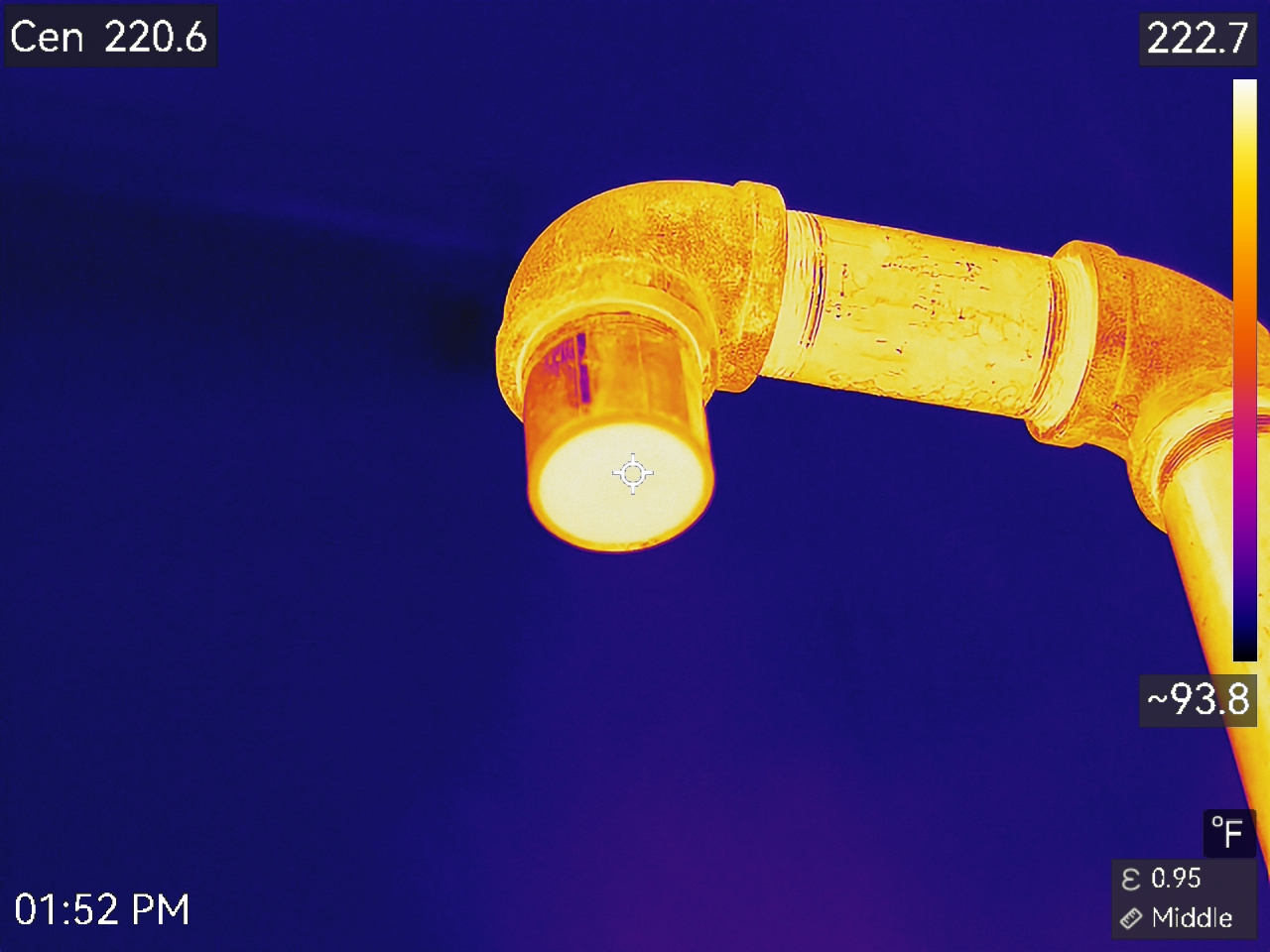
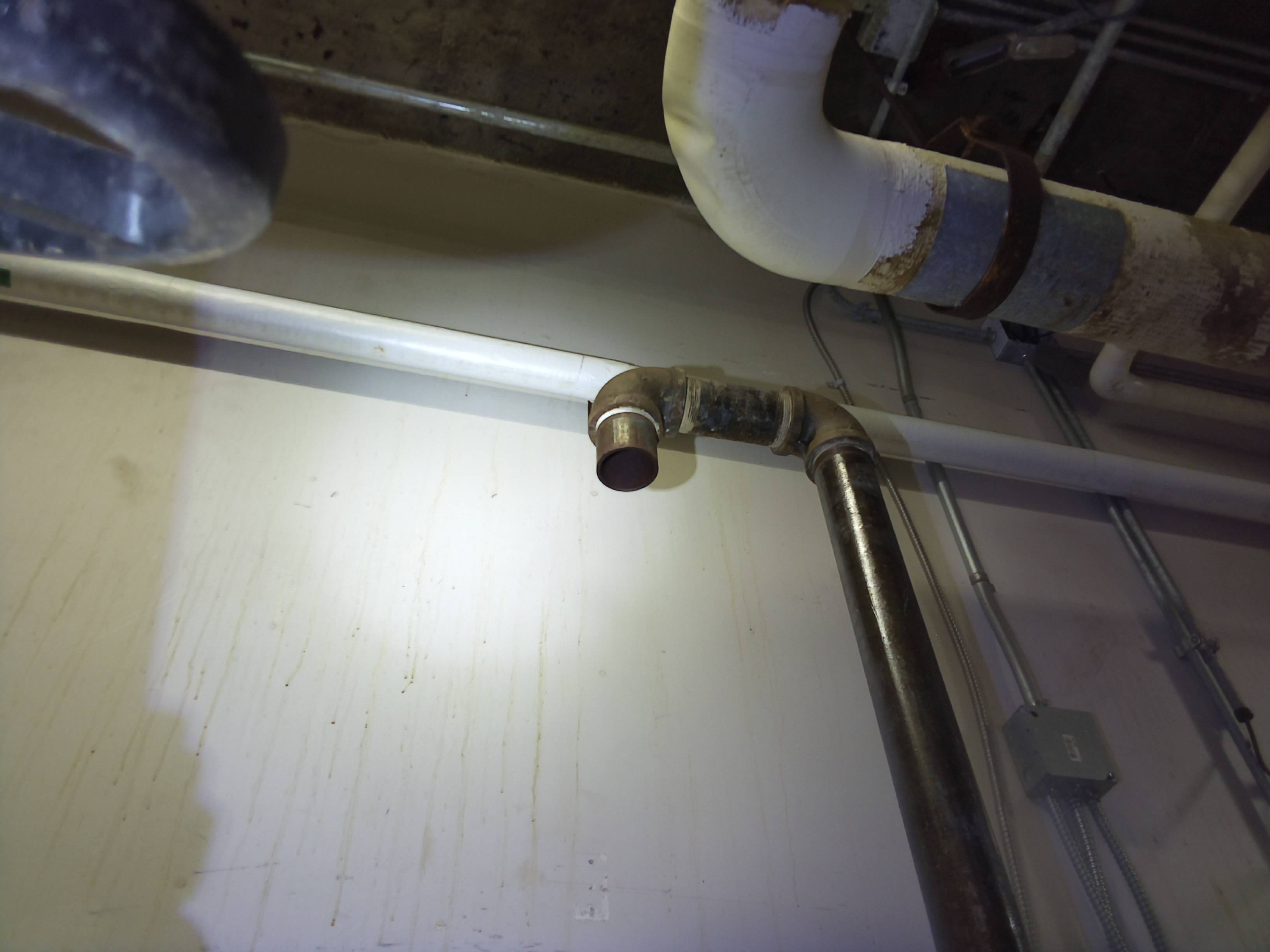
Complete per-item inventory with specifications and savings. Click the Item Description to view Thermal Images.
| # | Description | Pipe | Qty | Temp °F | Inv. Ins. | Upg. Ins. | Inv Thk | Upg Thk | Current $/yr | Upgraded $/yr | Savings $/yr | Heat kBtu/yr | CO₂ MT/yr |
|---|
Infrared and visible-light photo pairs for each assessed equipment item.
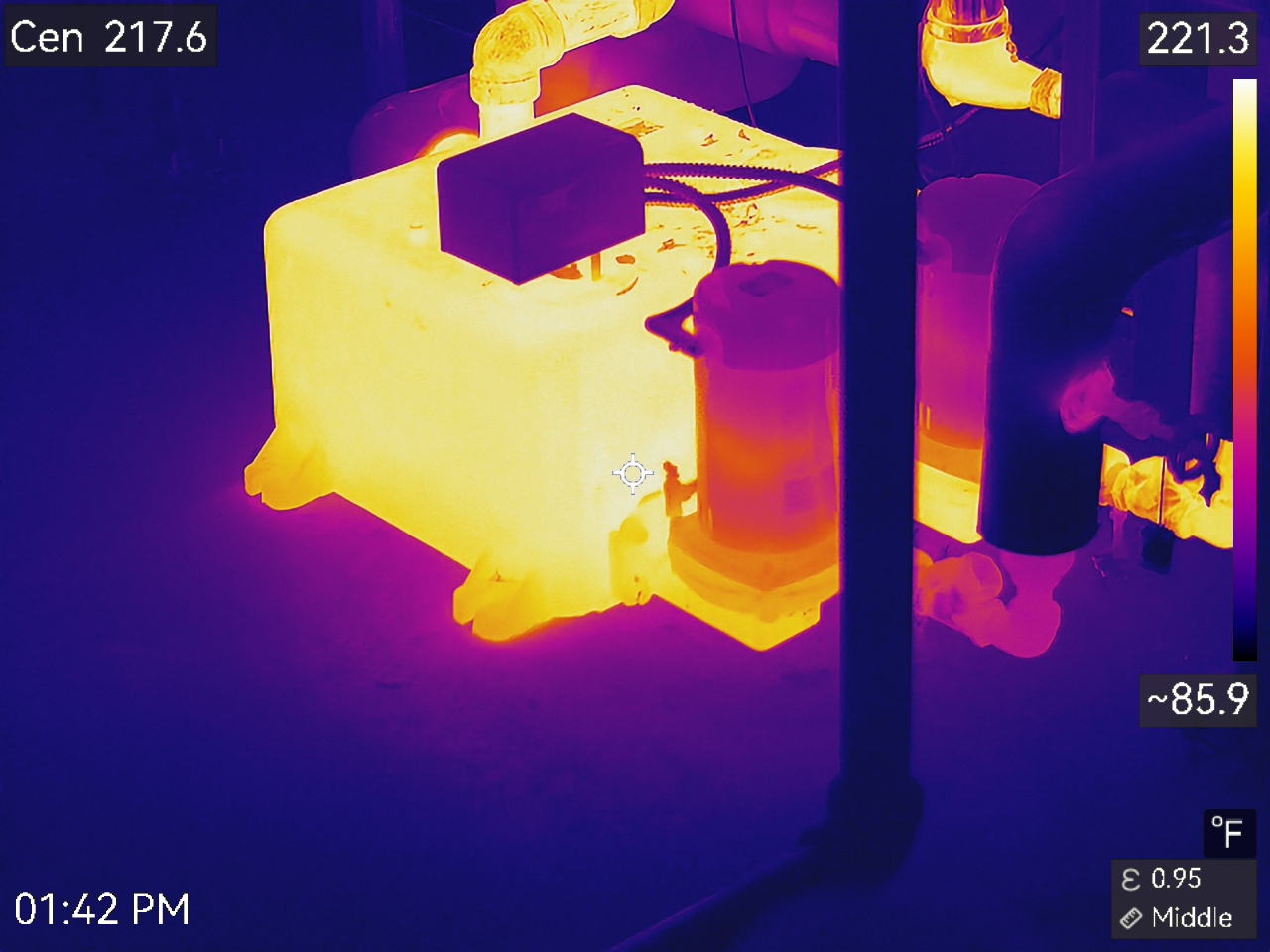
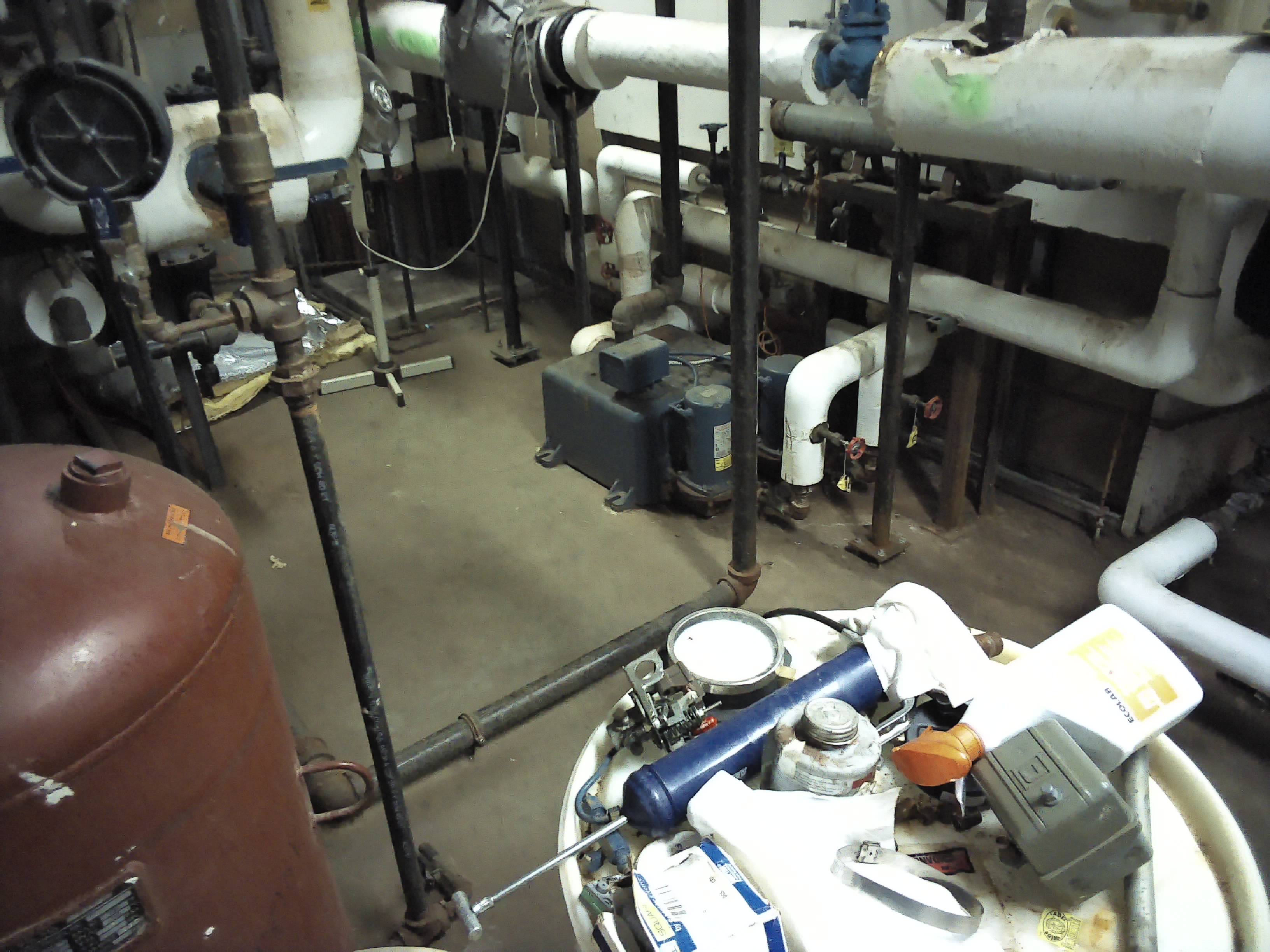
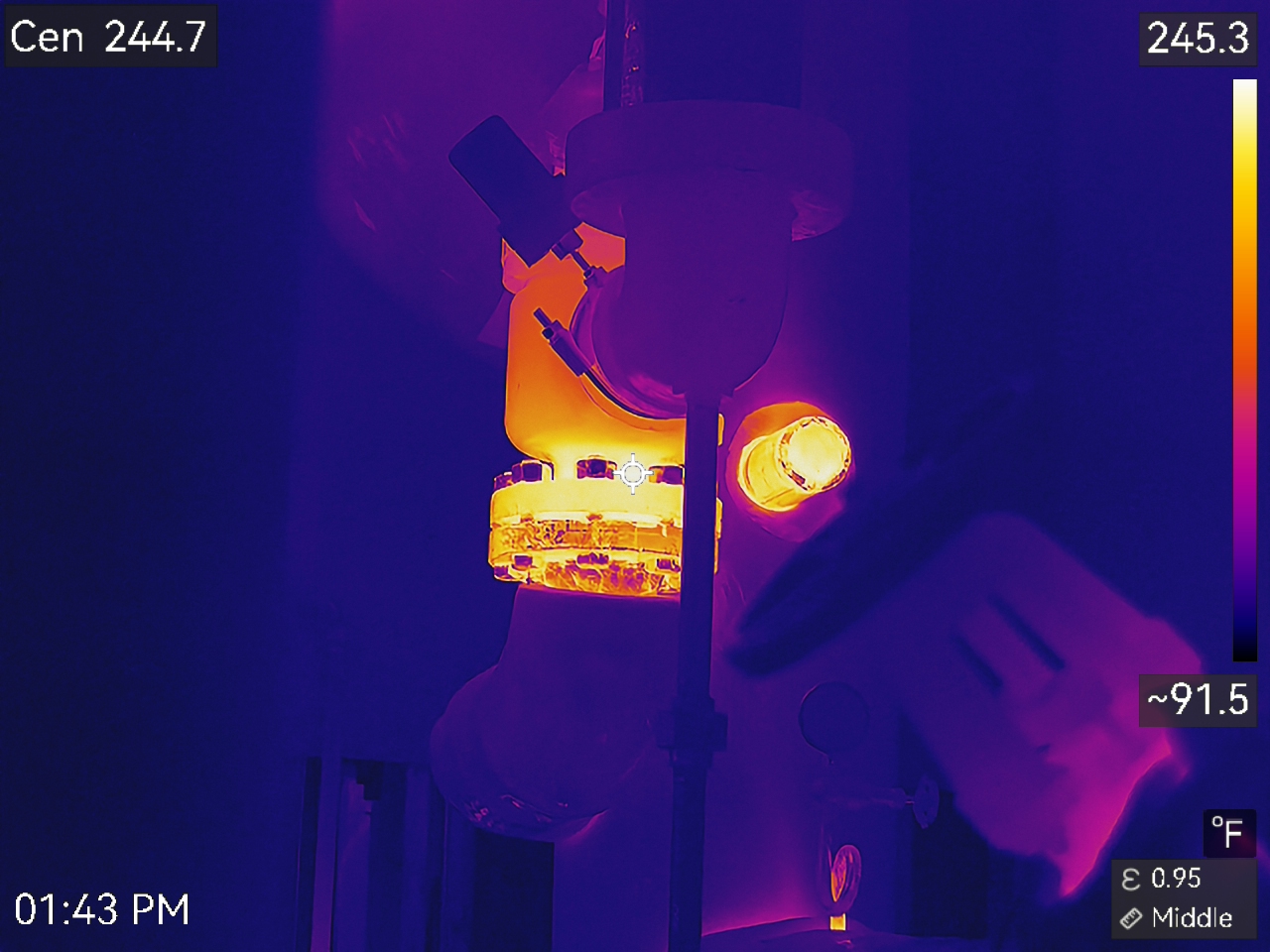
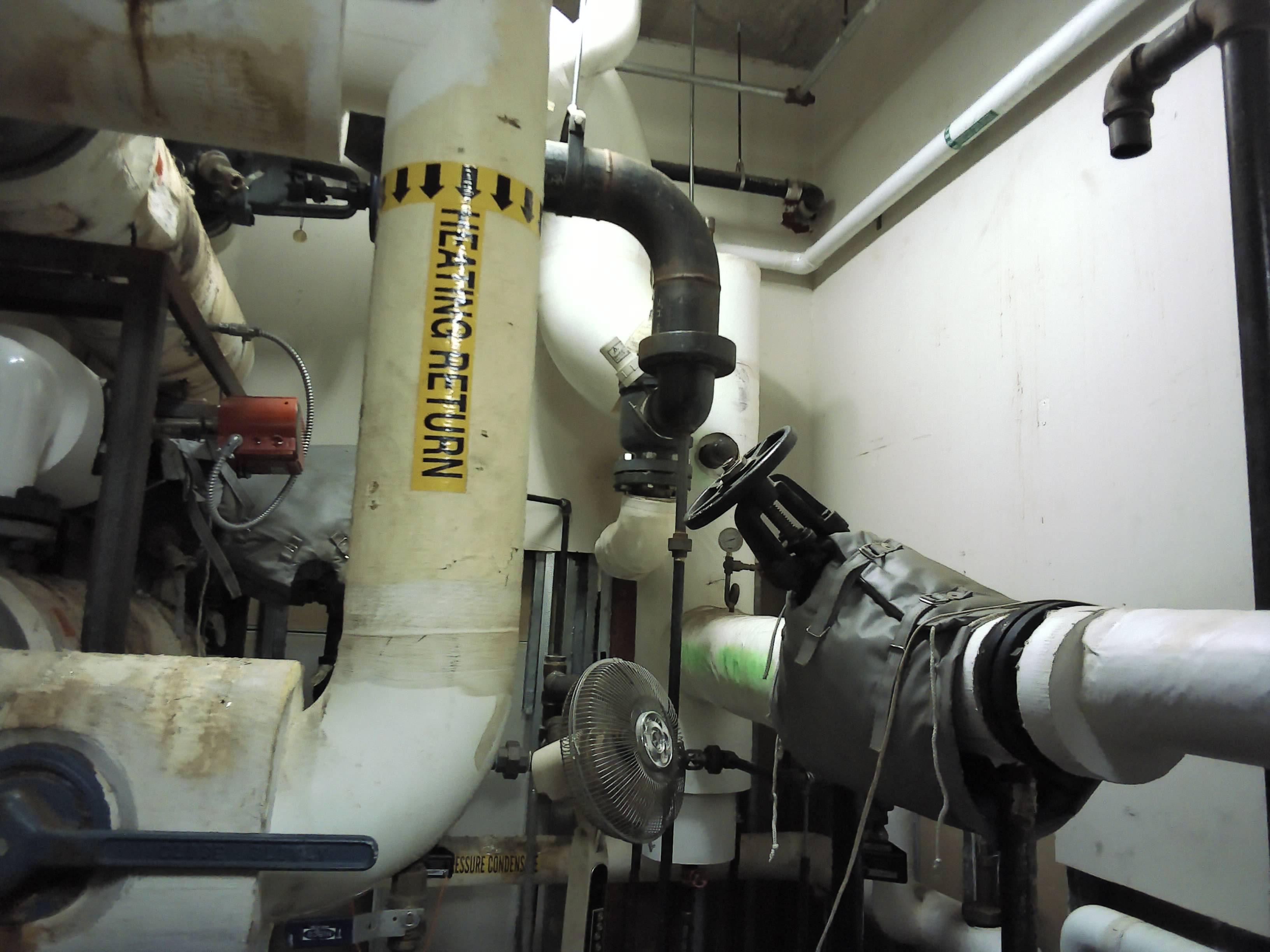
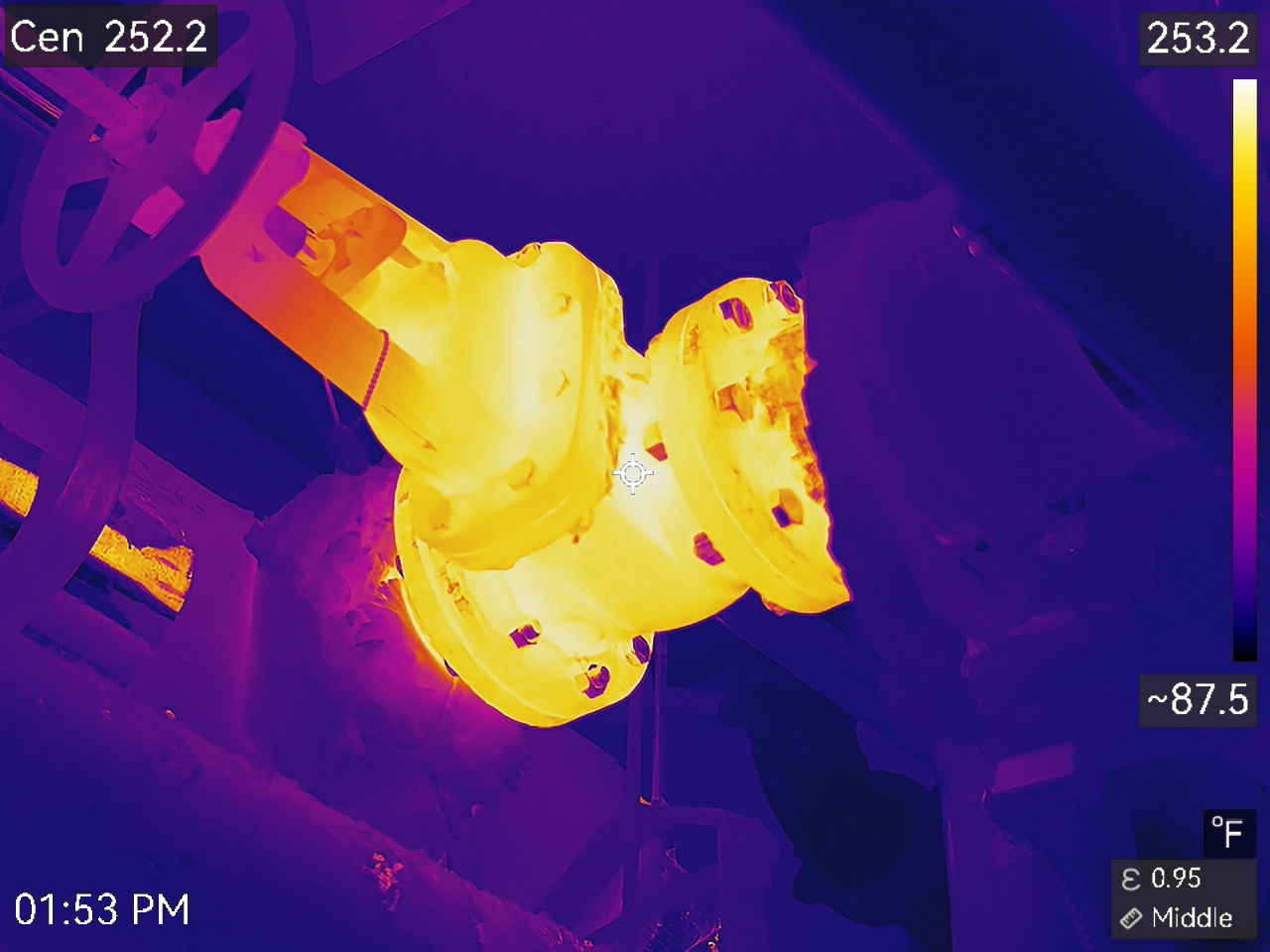
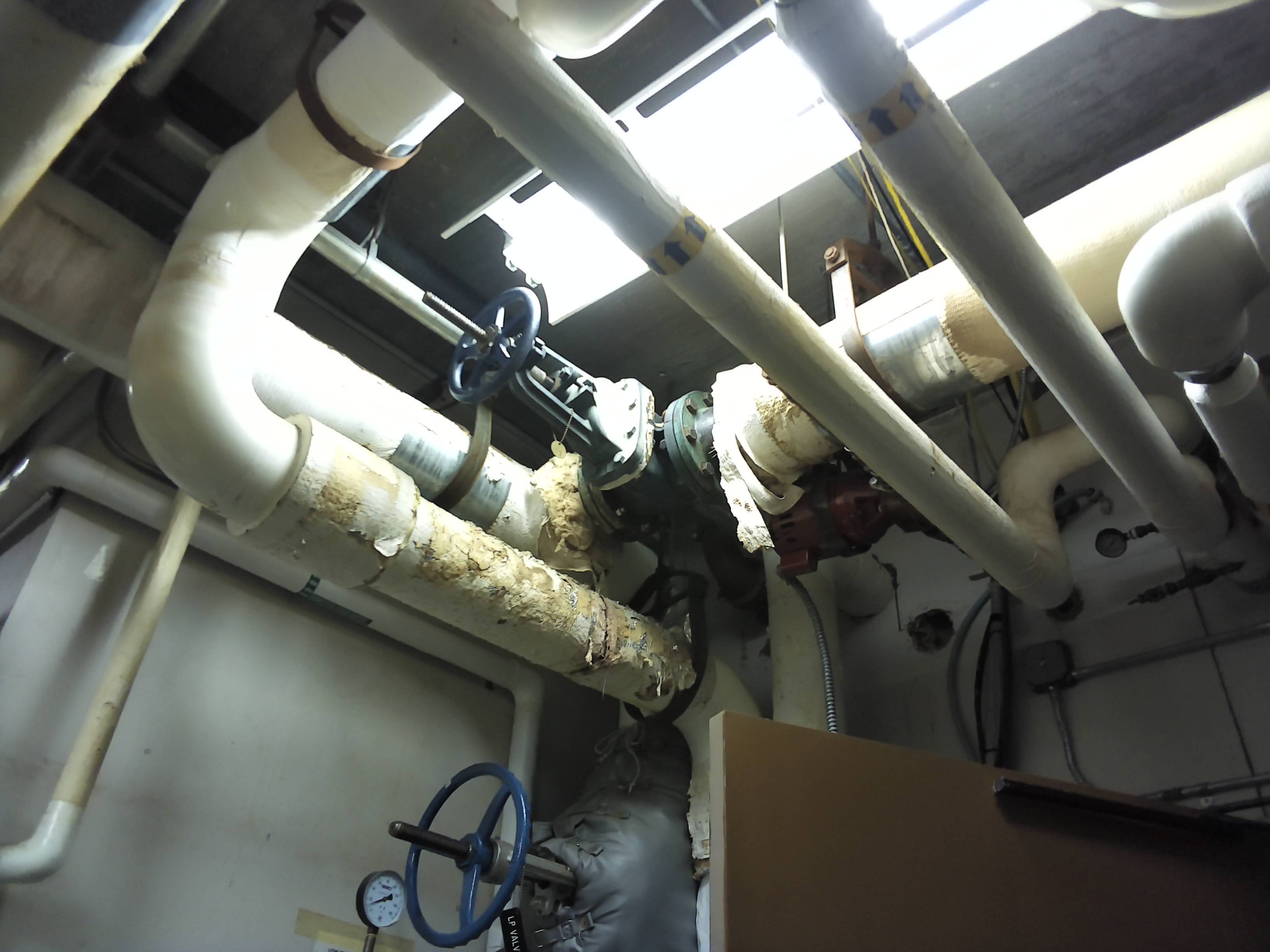
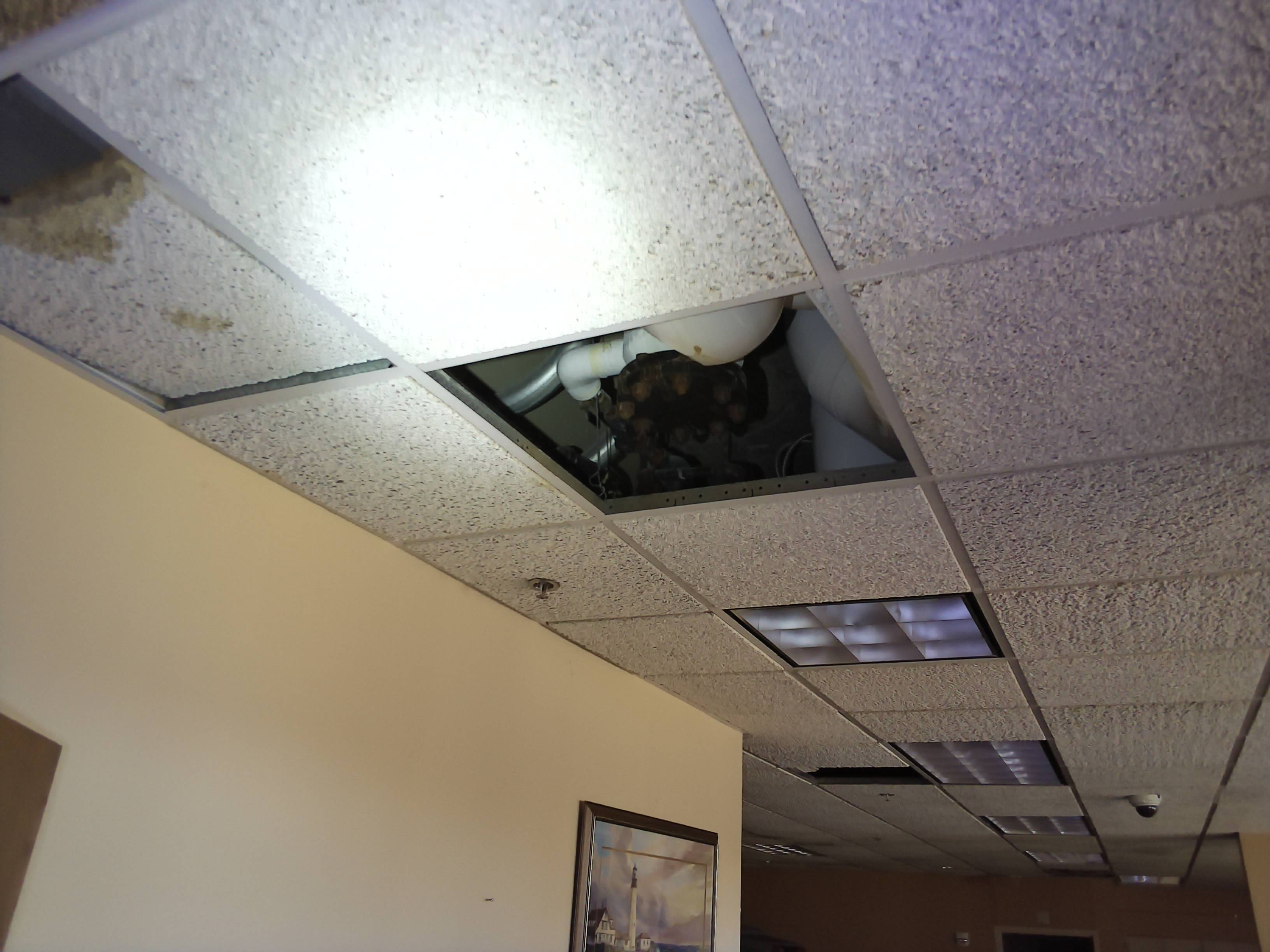
Project-specific inputs and calculation methodology.
All calculations performed using NAIMA 3E Plus (v5.1), based on ASTM C680 methodology.
Each item assessed in as-found condition. Bare surfaces have no insulation present.
Recommended upgrades include fiberglass, cellular foam, elastomeric, and ceramic fibre materials.
CO₂ and NOₓ calculated using EPA fuel-specific emission factors applied to energy saved.